Movements around Córdoba
How to write a post that's not way too long

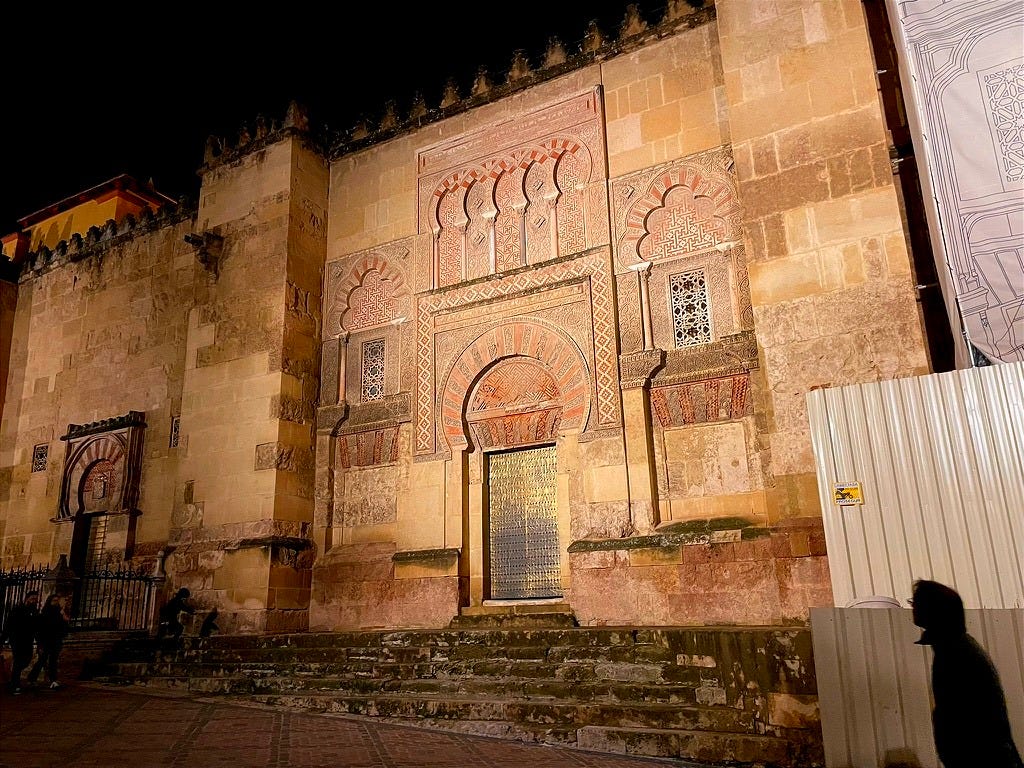
Been working on a post about our visit to Córdoba in March, since April, but it’s gotten way too long. Excuses? Yes, I took 4,000 photos on my iPhone and imported another 7,000 images that I like from my Fuji camera. How to contextualize the photos into photo stories—Historias fotographicas, or Historias de imagenes, or the more unusual and poetic, Imagen Historias?
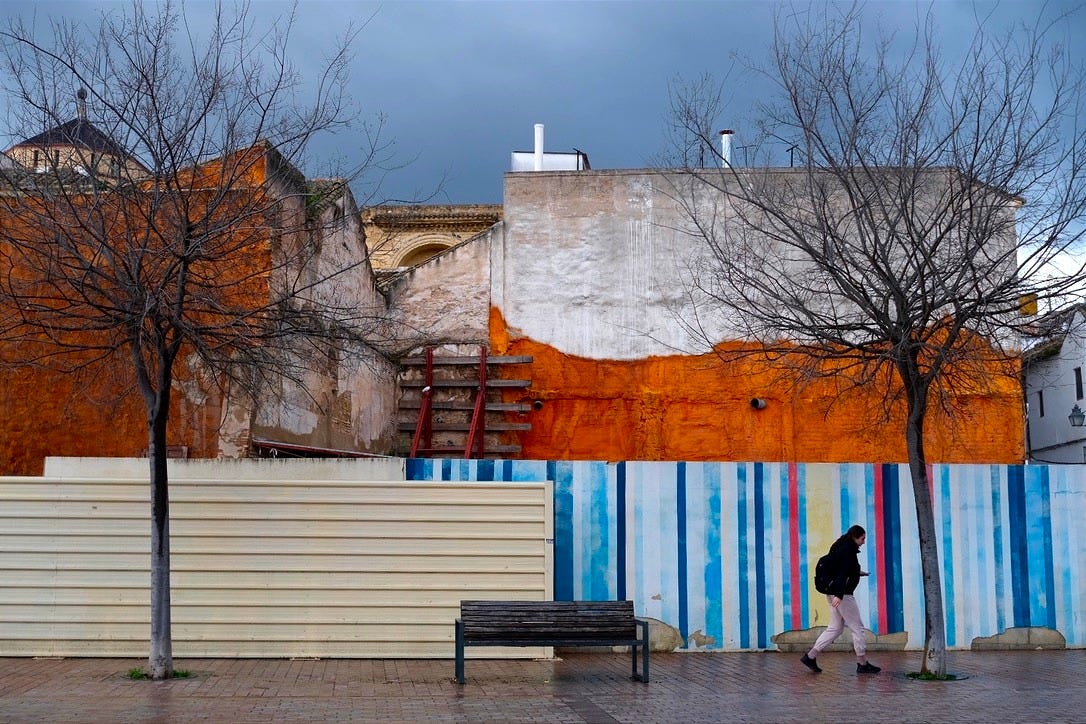
I aim to publish these travel-logs on substack as a way of organizing my thoughts and photos into perhaps more coherent bytes, but organizing by city may not work all of the time. A framing question for the research was simply this: A 2015 Spanish law essentially invited descendants of Spanish Jews who were expelled as part of the Inquisition to apply to return. What remained for them, and who came back?
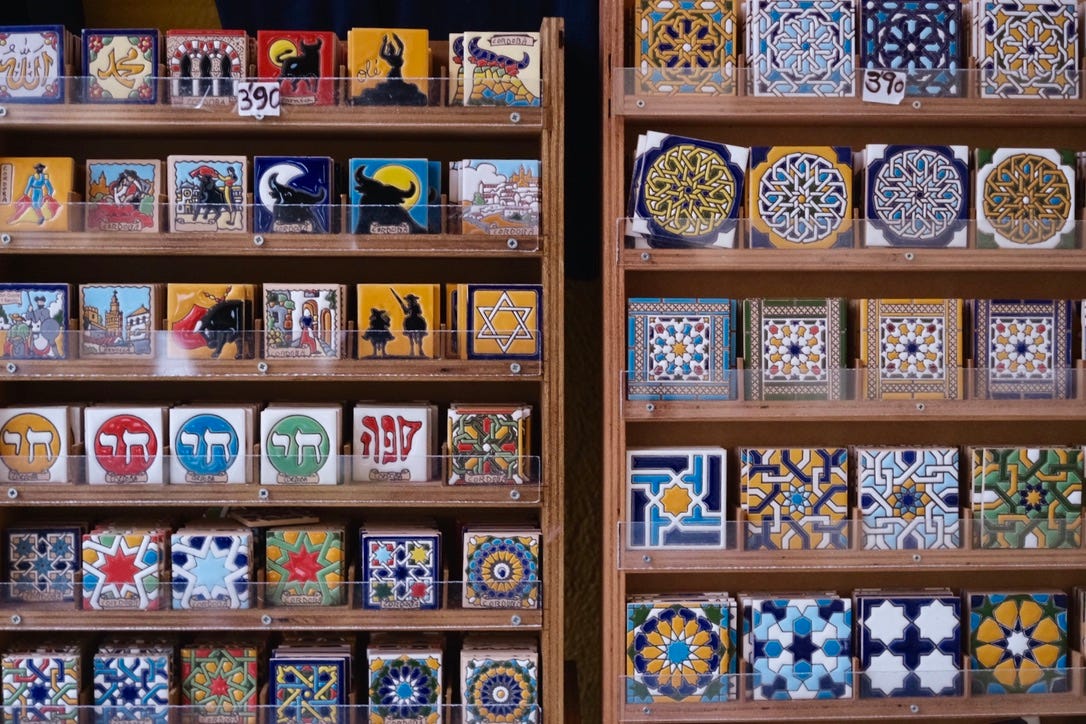
In each place I visited, I added more complexity, a three layer taxonomy: Is this primarily an artifact or performance for tourists—a tourist attraction?; Is there an institution involved in historic or academic preservation of the artifact or performance?; Is there a community of practice engaged with cultural continuity, where Sefardí or other Jewish identity is central?
I’m going to break down some of the challenges and opportunities of these project assets here.
Journal. I wrote during and shortly after each day in a new city. some are observations and recollections about travel details. Some of the writing includes more historical or cultural information learned from tour guides or didactic panels throughout the city. More includes unanswered questions about the extant culture or monuments.
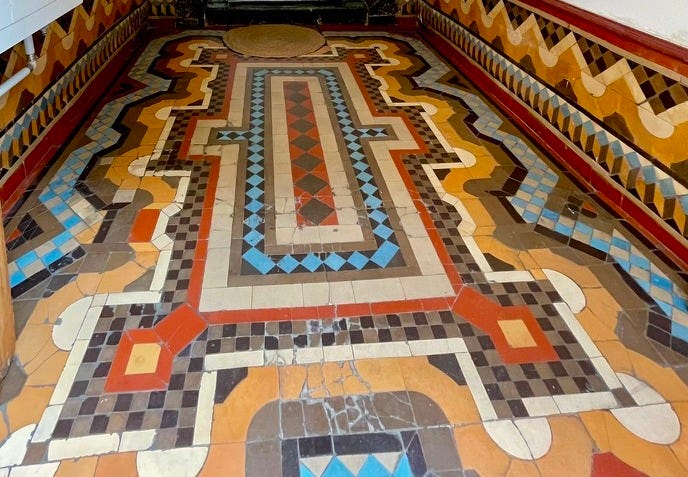
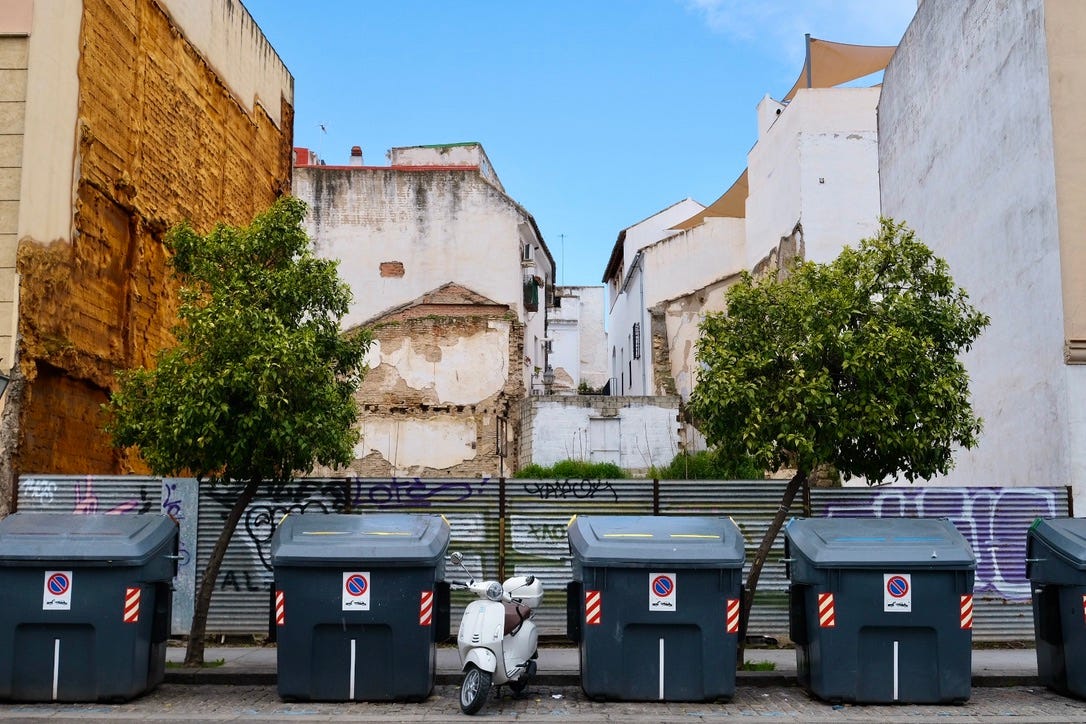
Photos. I carried my camera with me whenever on a formal tour and whenever I went out looking for these cultural remnants or markers. If there was something “Jewish" I photographed it. If there was anything else relational, such as some kind of reference to the Three Cultures (Christian, Muslim, Jewish), I photographed it. Anything else that was fascinating to me as a street photographer that was indicative or unique to Spanish Culture, you guessed it.
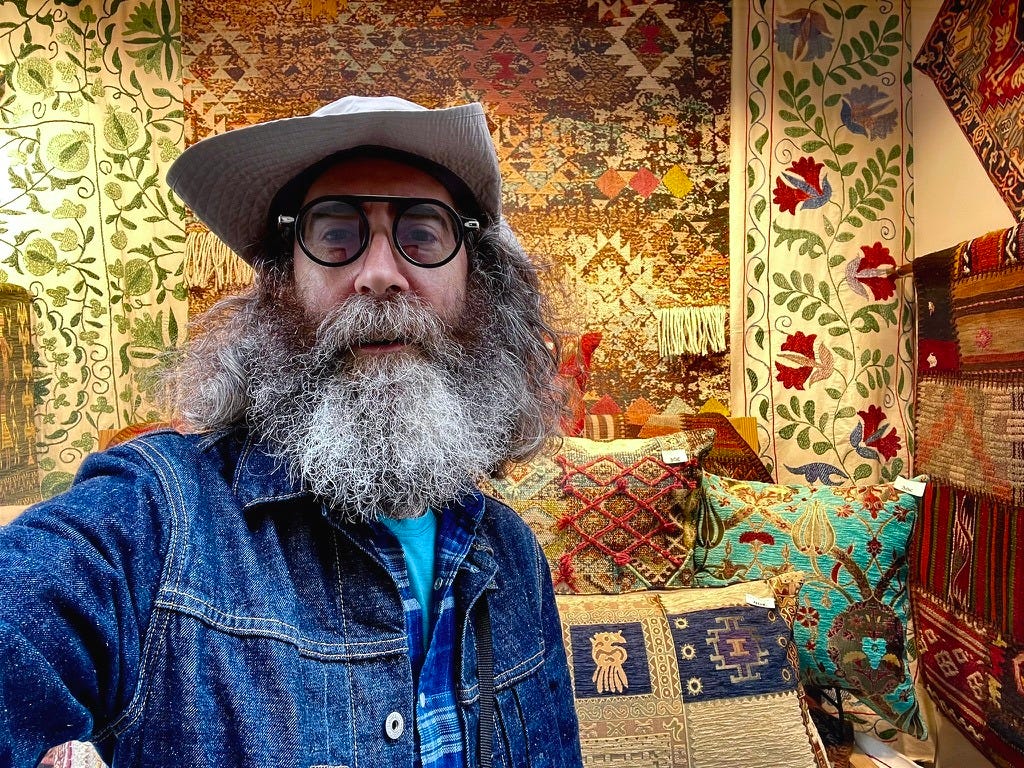
Further Research. Sometimes a tour guide lit a fire which excited me to understand or tell a story in a different way. Sometimes I felt challenged by what I was hearing and needed to know if this was the conventional or peer reviewed thinking on this or whether this was an alternative history. Maybe there were photos to illustrate, or maybe, quizás sólo las palabras describen cosas históricas.
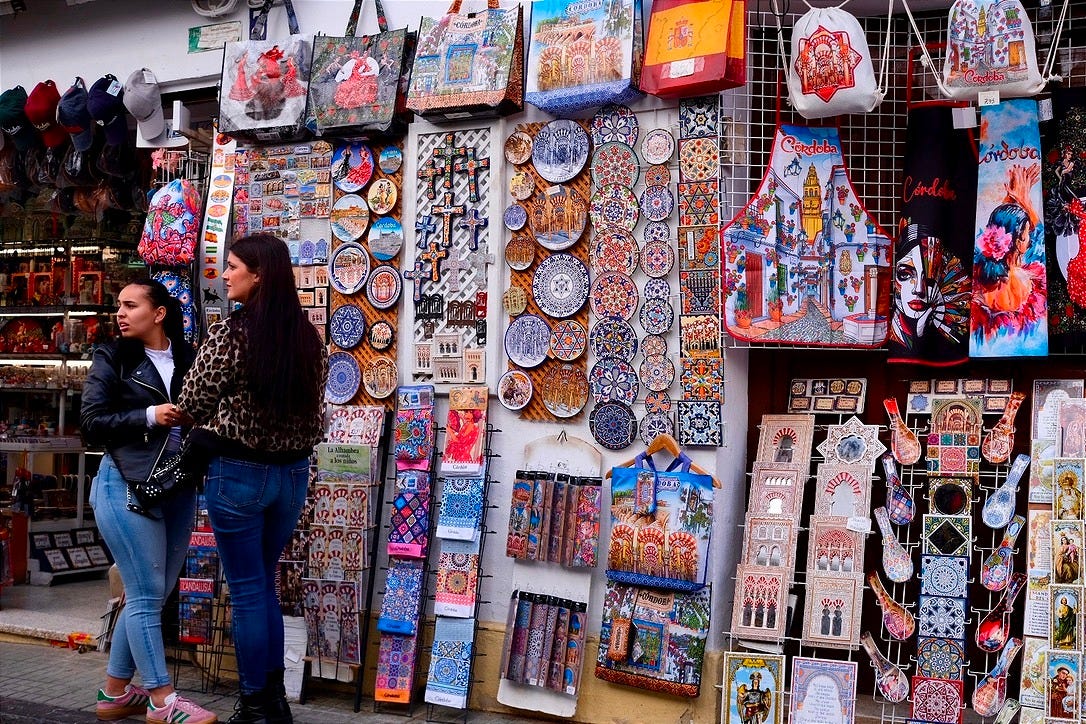
Stories without photos. Sometimes experiences defied being photographed, or it is prohibited, se prohibido. Like the time we went to visit the Comunidad Judía de Madrid and were met with an intense security protocol and gatekeeping of many varieties which extended in fascinating ways.
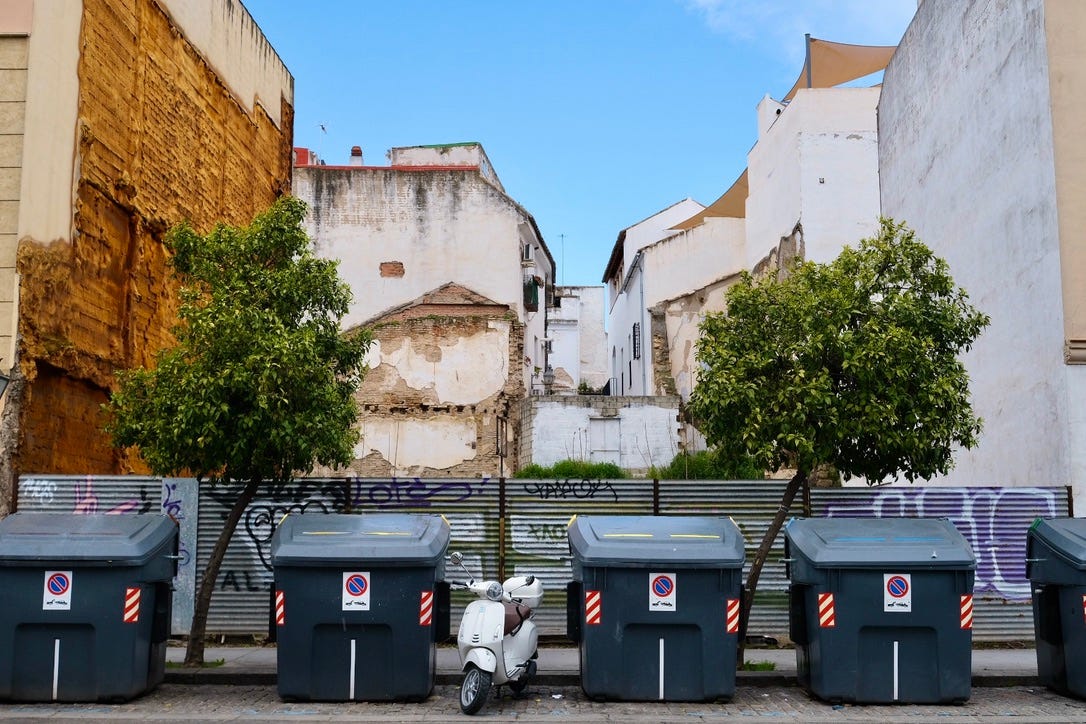
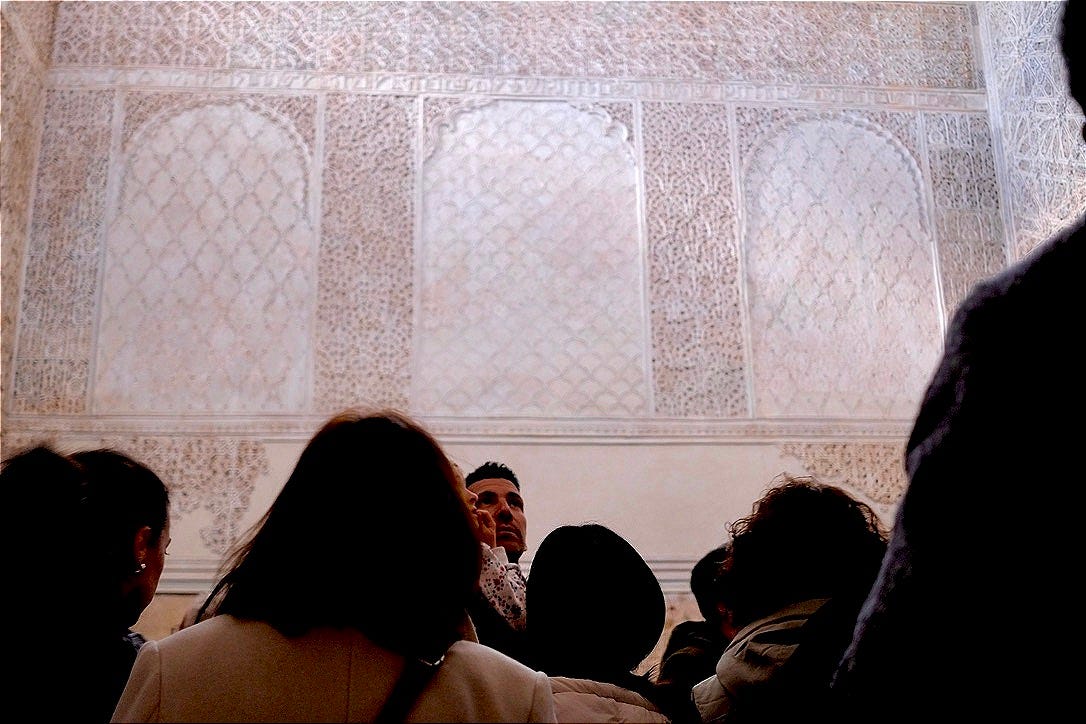
Why is it part in Spanish? No lo sé, pero a veces algunos recuerdos dependen del lenguaje, sometimes memories are language dependent. So maybe it works both ways, that some phrases or parts of language are retrieved by memory of the times and places. But the pieces that aren’t photographed, or written down sometimes pop up through the writing and editing. Like when José said you’re not allowed to sit down or put your body on the ground in the Mezquita-Catedral.
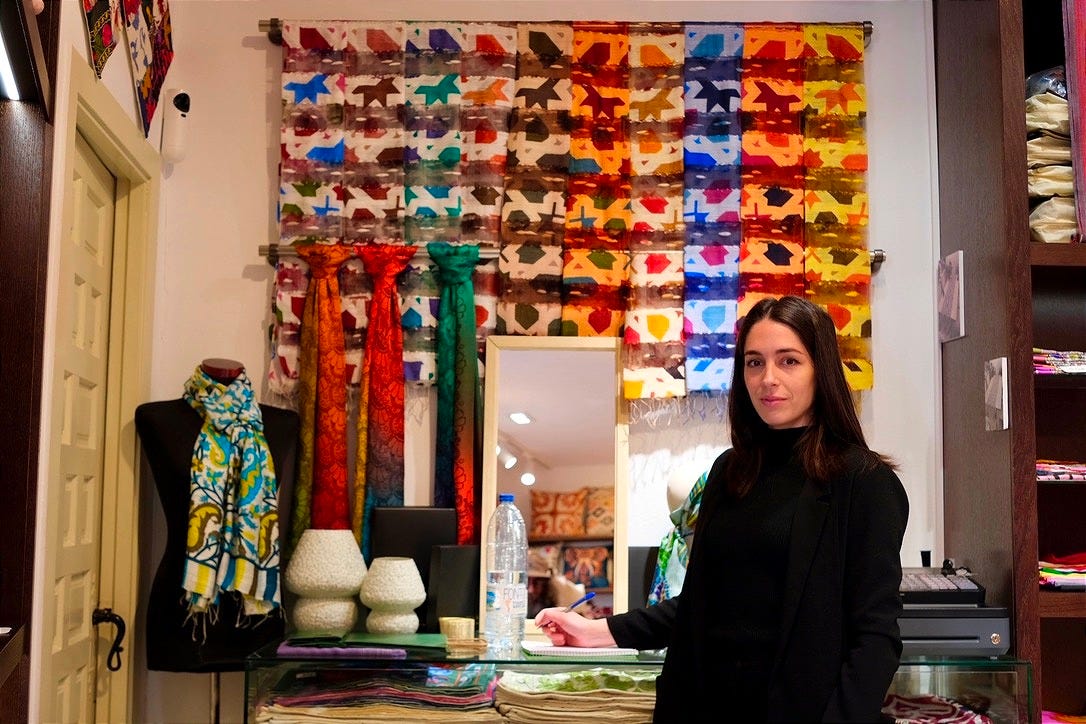
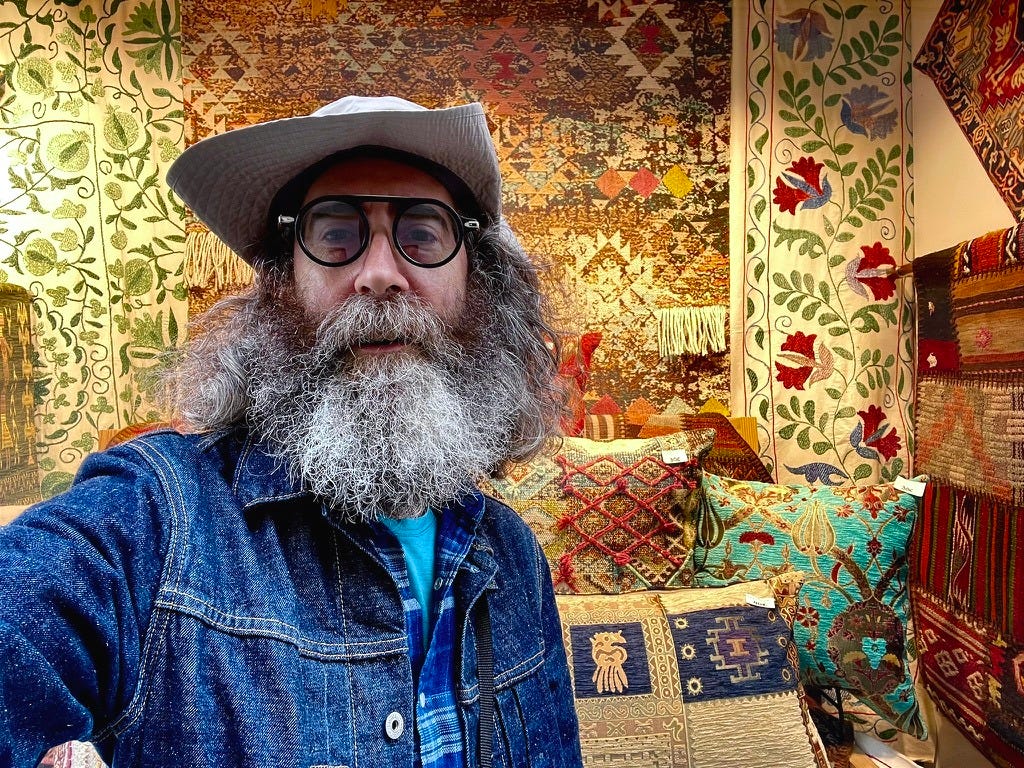
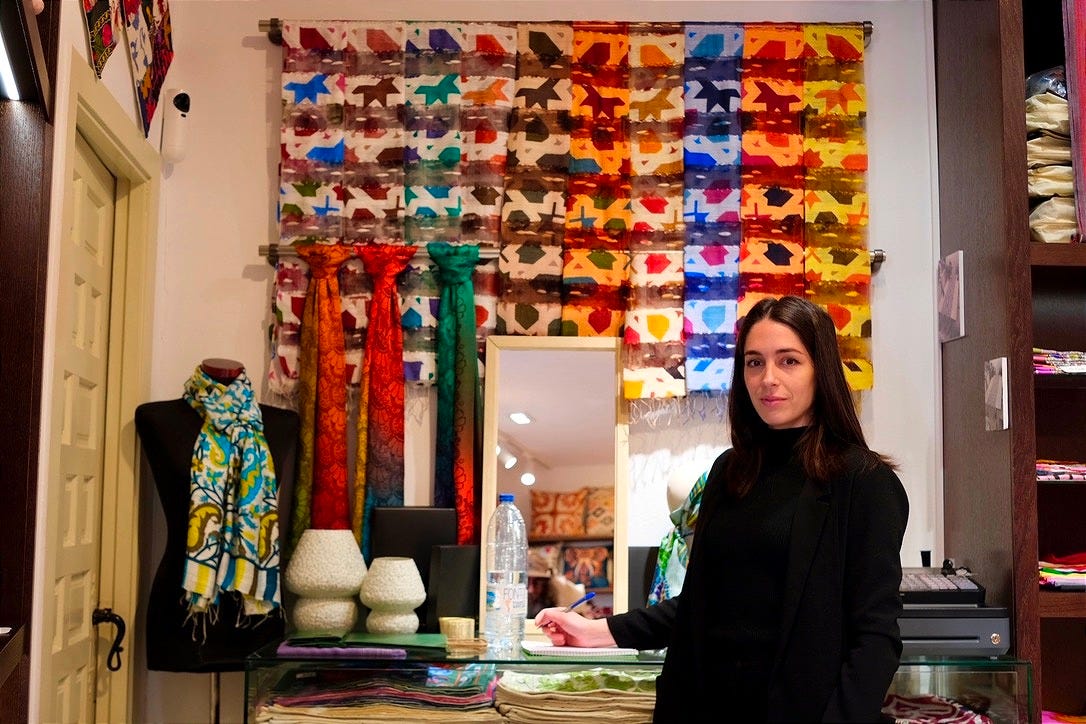
The Portraits. Sometimes the people in their spaces and a portrait was more compelling than any story I could really tell. Sometimes there are stories, but there is definitely a collection of environmental portraits.
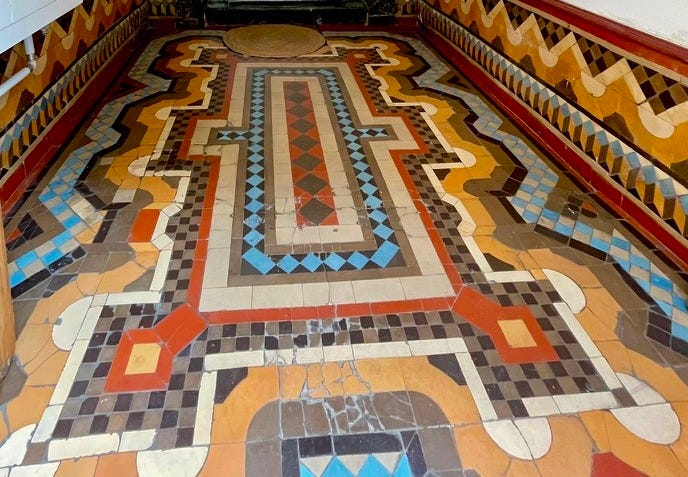
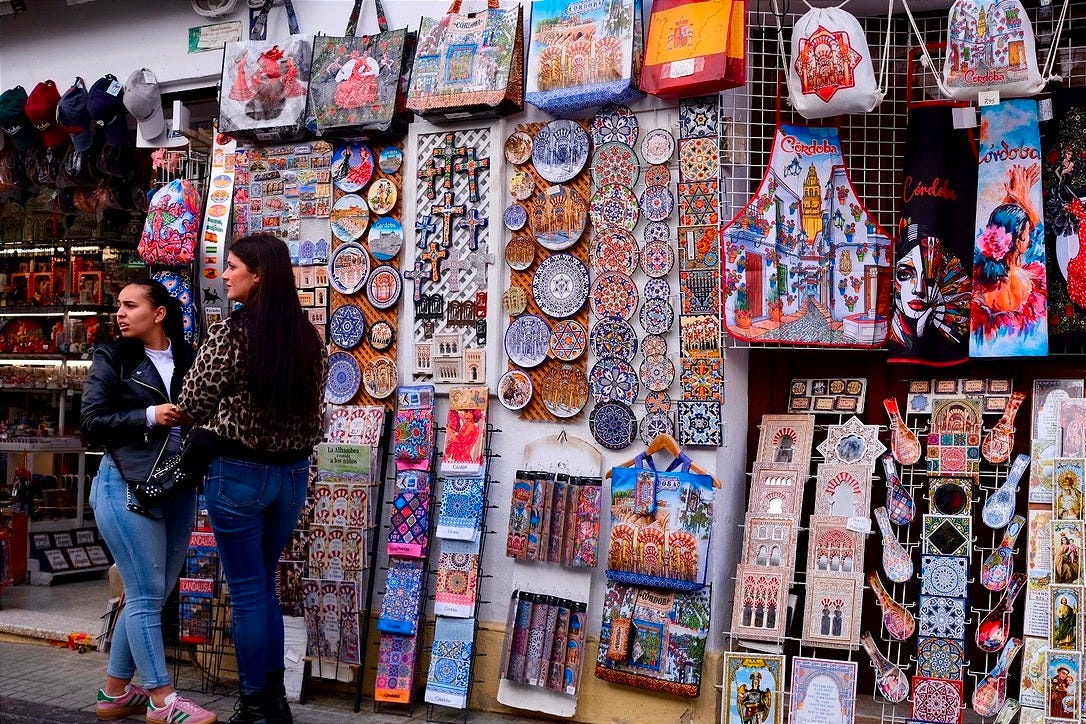
What now? I’ll start right now, breaking these long, long stories into shorter vignettes, fewer photos. Each week, a quick post. Do I have a year’s worth? Let’s see.